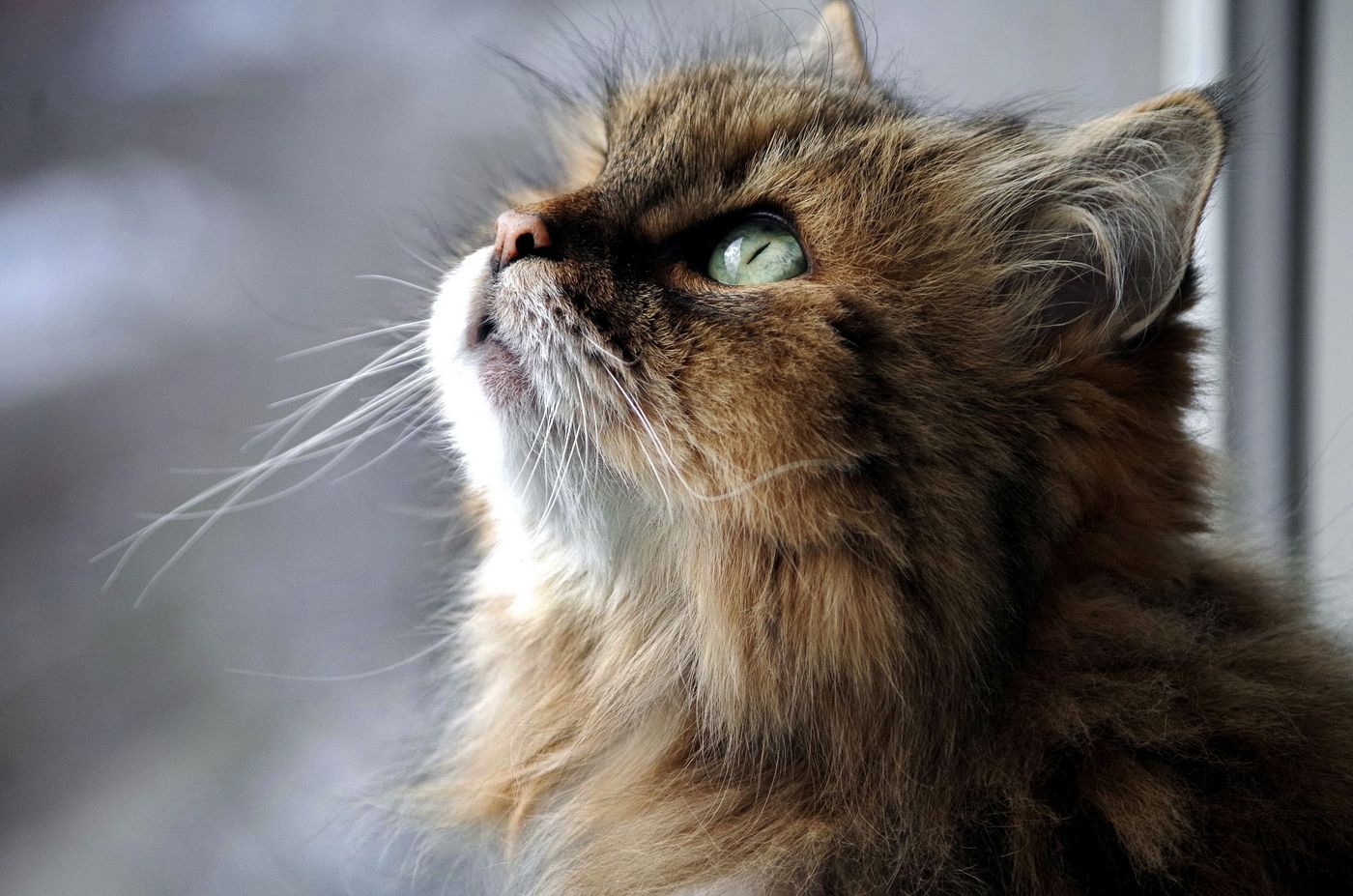
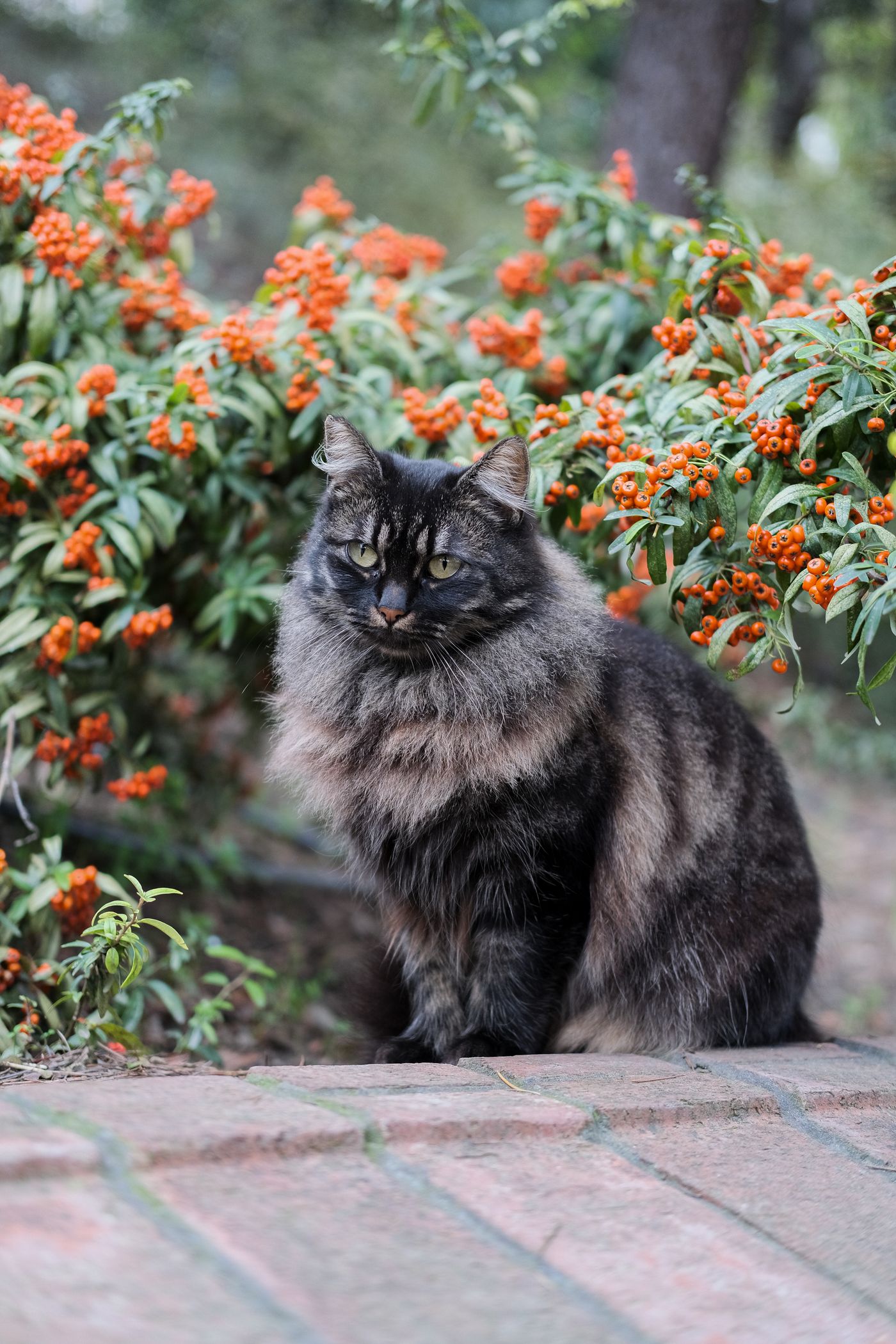
Real adult size, the vertical space they actually need, what shedding looks like twice a year, and an honest read on whether this breed fits a first apartment and a first cat.
Our homepage sums up the personality in a few lines: they fetch, they greet you at the door, they follow you room to room, and they stay playful well into adulthood. Those bullets are true, and they're also exactly why "will this cat work in my apartment" deserves a real answer instead of a general "small cats do fine in small spaces" assumption. Size, shedding, and how much attention this breed wants all matter more here than square footage does.
Adult size: bigger and slower to get there than most breeds
Most adult Siberians land somewhere in the 8 to 20 pound range, with males typically running heavier and larger-framed than females. What catches first-time owners off guard is the timeline: Siberians are slow-maturing cats that keep building frame, coat, and weight for 3 to 5 years, well past the 12-month mark where most short-haired breeds are already done growing. The kitten that fits neatly on your lap today will likely be a solidly built, athletic adult cat by year two or three. Plan the apartment setup, the cat tree, the scratching post, the play routine, for that eventual adult, not the kitten in front of you now.
Vertical space matters more than floor space
Our care guide already covers this from a play-and-enrichment angle: Siberians are athletic, strong jumpers, and look for height. In an apartment, that translates directly into what to buy before the kitten comes home, not after. A tall cat tree, wall-mounted shelving, or a window perch gives a Siberian somewhere to climb and survey the room, which matters more in a smaller footprint than it would in a house with more floor space to roam. A studio apartment with zero vertical options is a genuinely harder fit than a one-bedroom with a single well-placed cat tree.
Works well
A one-bedroom or studio with at least one tall cat tree or shelving run, an owner home most evenings, and a household willing to rotate interactive toys.
Harder fit
A small space with zero vertical options, or a household regularly gone 10+ hours a day. Size of the apartment alone is rarely the real problem.
Shedding in a smaller space
The triple coat looks like a lot of maintenance, and day to day it's more manageable than people expect. The real shed comes twice a year during seasonal coat blow, spring and fall, when the undercoat lets go in a heavier, more noticeable way. In a house that fur has more surfaces to spread across; in an apartment it tends to show up faster on furniture and floors simply because there's less space for it to go. More frequent brushing during those two stretches, not a full grooming overhaul, is usually enough. Our care guide walks through the full coat routine.
Is this a good first cat?
For most first-time owners, yes. Siberians tend to be social without being demanding, food-motivated enough that litter habits and scratching-post use are usually easy to establish, and forgiving of the small mistakes a first-time owner makes. The one thing worth being honest about: this breed bonds closely to its people. It is not the cat that's equally content whether you're home or not, and a household that's genuinely empty most of most days is a harder match than the apartment's square footage would suggest on its own.
Set up vertical space (cat tree, shelving, or a window perch) before the kitten comes home, not after.
Budget for a heavier brushing routine twice a year during coat blow, not a daily overhaul the rest of the time.
Be honest about your real schedule. This breed does better with an owner home most evenings than with a household gone most of the day, most days.
Plan for the adult size, not the kitten size. Full growth takes 3 to 5 years, and the cat tree that fits a kitten won't fit the adult.
Generally yes, with a real caveat: they need vertical space, not floor space. A cat tree, wall shelving, or a tall scratching post matters more than square footage. A studio with zero climbing options is a harder fit than a one-bedroom with a cat tree in the corner.
How big do Siberian cats get, and does that matter for apartment life?
Most adult Siberians land somewhere in the 8 to 20 pound range, with males typically running larger than females, and they keep filling out their frame until 3 to 5 years old, slower than most breeds. A kitten that looks apartment-sized now will likely be a solidly built adult cat needing real climbing and play space by year two or three, plan the setup for that cat, not the kitten in front of you.
Are Siberian cats a lot of shedding for a small space?
Day to day, less than you'd expect from a triple coat. The heavier shed comes twice a year during seasonal coat blow, and in an apartment that fur has fewer places to go, so more frequent brushing during those stretches keeps it manageable. Our care guide covers the full grooming routine.
Is a Siberian a good first cat?
For most first-time owners, yes, they're social, forgiving of beginner mistakes, and food-motivated enough that basic training (litter habits, scratching post use) tends to go smoothly. The one thing to plan for honestly: this breed bonds closely and does not do well left alone for long stretches on a regular basis, so a household gone 10+ hours a day most days is a harder match than an apartment fit for the space alone.
What does a Siberian actually need in a small apartment?
At minimum: a tall cat tree or wall shelving for vertical space, a sturdy scratching post, interactive toys since they genuinely enjoy fetch and puzzle feeders, and a litter box kept away from food and rested areas. None of that requires a large home, it requires planning the vertical layout on purpose.
See kittens from parents with paperwork to match
Every kitten featured on this site comes from parents this cattery states are HCM and PK-deficiency tested. Ask what an adult Siberian actually needs in your home before you pay a deposit.